
Knee Pain Treatment in Denver, Colorado: Regenerative Options with Dr. Christopher Walker
Knee pain can limit mobility, disrupt daily activities, and reduce overall quality of life. Fortunately, patients searching for knee pain treatment in Denver, Colorado now have access to advanced regenerative options designed to support healing at the source. Under the guidance of Dr. Christopher Walker, modern regenerative medicine offers non-surgical solutions that focus on restoring joint function rather than simply masking symptoms.
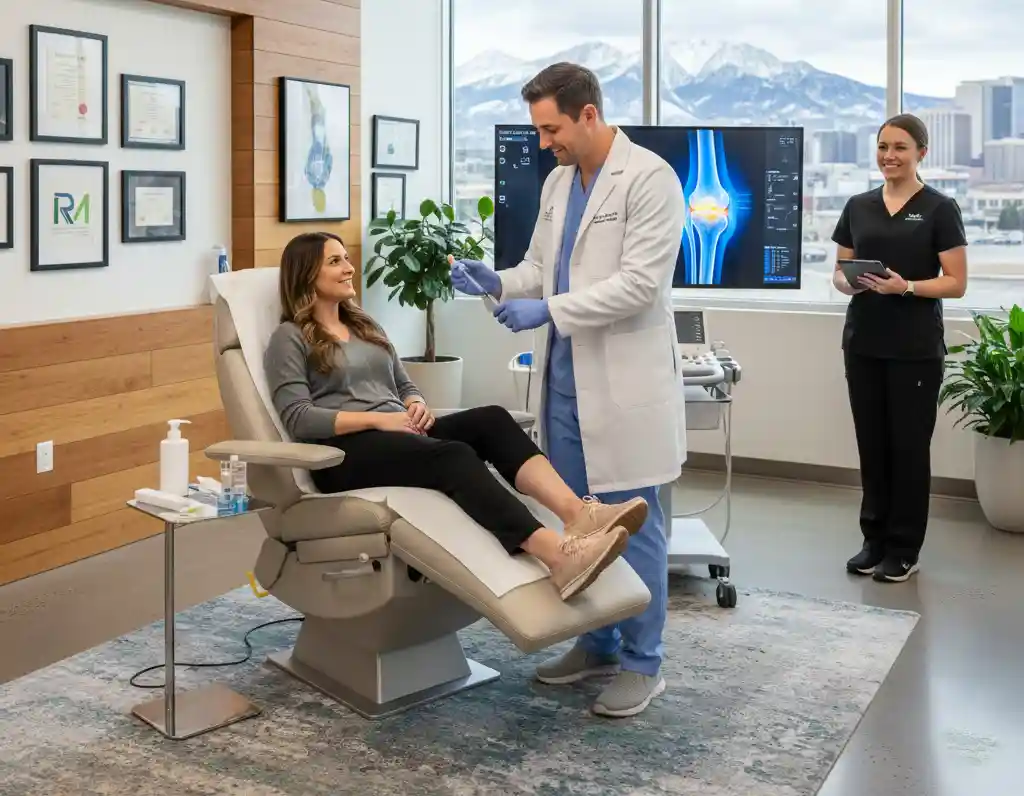
Why Knee Pain Is So Common
Knee pain affects people of all ages. While athletes often experience overuse injuries, others develop discomfort from age-related degeneration or previous trauma. Common causes include:
Osteoarthritis
Ligament or meniscus injuries
Tendon inflammation
Cartilage wear and tear
Because the knee bears significant body weight, even mild damage can worsen over time. Therefore, early intervention is essential.
Regenerative Medicine for Knee Pain Treatment in Denver, Colorado
What Is Regenerative Medicine?
Regenerative medicine focuses on helping the body repair itself. Instead of relying on pain medications or surgery, these therapies aim to stimulate tissue healing and reduce inflammation naturally.
Common Regenerative Options
Patients seeking knee pain treatment in Denver, Colorado may benefit from the following regenerative therapies:
Platelet-Rich Plasma (PRP) – Concentrated platelets from your own blood help accelerate healing and reduce inflammation.
Peptide Therapy – Specific peptides may support joint repair and improve recovery.
Stem Cell–Based Therapies – These treatments are designed to promote tissue regeneration and joint support.
Each option is customized based on the patient’s condition, activity level, and long-term goals.
Why Choose Dr. Christopher Walker for Knee Pain Treatment?
Dr. Christopher Walker is known for combining evidence-based regenerative therapies with personalized care. His approach emphasizes:
Comprehensive knee evaluations
Minimally invasive treatment plans
Long-term joint health strategies
Patients in and around Denver often seek regenerative care to avoid surgery while still addressing the underlying cause of pain.
Benefits of Regenerative Knee Pain Treatment
Choosing regenerative knee pain treatment in Denver, Colorado may offer several advantages:
Reduced inflammation and discomfort
Improved joint mobility
Shorter recovery time compared to surgery
Lower reliance on pain medications
As a result, many patients return to daily activities with improved confidence and comfort.