
PRP Therapy in Denver, Colorado: What Dr. Christopher Walker Recommends
Platelet-Rich Plasma (PRP) therapy has become one of the most sought-after regenerative treatments for patients looking to heal naturally and avoid surgery. In Denver, Colorado, PRP therapy is increasingly used to address joint pain, sports injuries, and chronic musculoskeletal conditions. This article explores what makes PRP therapy effective and what Dr. Christopher Walker recommends for patients considering this advanced treatment option.
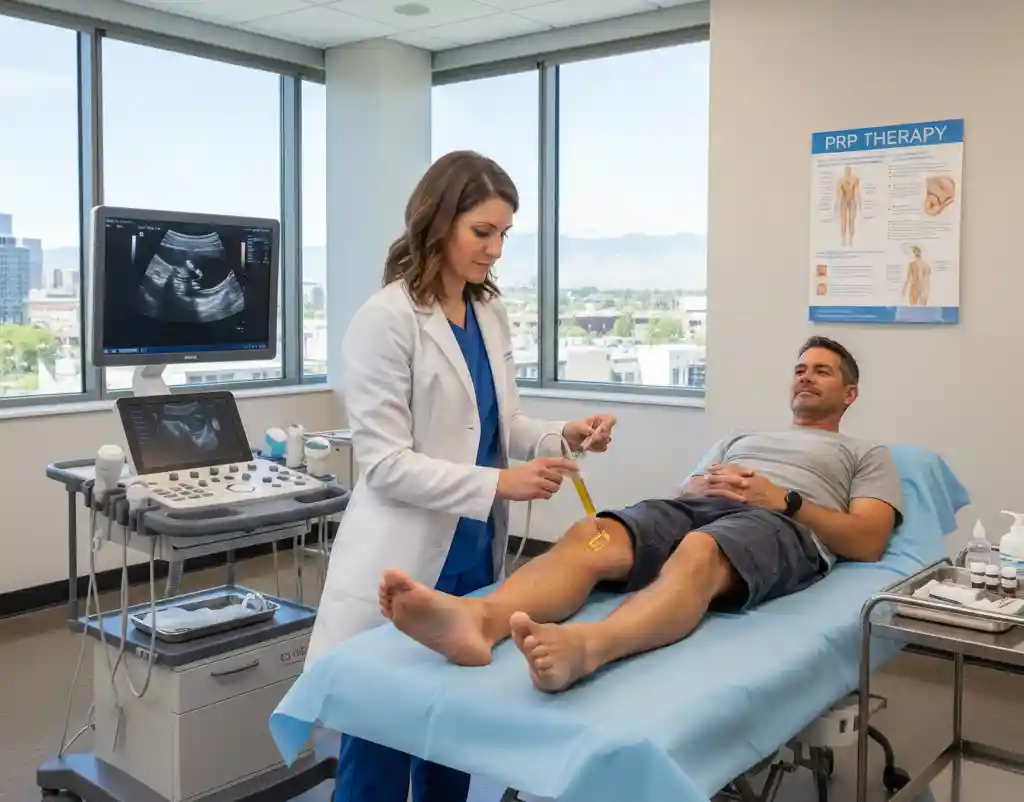
Understanding PRP Therapy in Denver, Colorado
PRP therapy in Denver, Colorado uses a concentration of a patient’s own platelets to support the body’s natural healing process. Platelets are rich in growth factors, which play a key role in tissue repair and inflammation reduction.
During treatment, blood is drawn and processed to isolate platelet-rich plasma. This solution is then carefully injected into the injured or painful area. As a result, healing is stimulated at the cellular level.
Why PRP Therapy Is Gaining Popularity in Denver
PRP therapy in Denver, Colorado is often chosen because it is minimally invasive and drug-free. Patients seeking alternatives to steroids or surgery frequently find PRP appealing. In addition, downtime is usually limited, making it a practical option for active individuals.
Common conditions treated include:
Knee osteoarthritis
Shoulder and rotator cuff injuries
Tendon and ligament damage
Sports-related overuse injuries
According to guidance from American Academy of Orthopaedic Surgeons, biologic treatments like PRP continue to show promise for select musculoskeletal conditions.
What Dr. Christopher Walker Recommends for PRP Therapy
Dr. Christopher Walker emphasizes that PRP therapy is not a one-size-fits-all solution. Proper patient selection is essential. Before recommending PRP therapy in Denver, Colorado, a thorough evaluation is performed to identify the underlying cause of pain.
Dr. Walker often advises PRP for patients who:
Have not responded well to conservative care
Want to avoid surgical intervention
Prefer natural, regenerative options
Are committed to proper rehabilitation
He also highlights that image-guided injections improve accuracy and outcomes, especially for joints and soft tissues.
The Role of Regenerative Medicine in Long-Term Healing
PRP therapy in Denver, Colorado is often part of a broader regenerative medicine strategy. When combined with physical therapy and lifestyle modifications, outcomes may be optimized. This integrative approach focuses not only on pain relief but also on restoring function.
Research shared by the National Institutes of Health supports the growing interest in platelet-rich plasma for tissue regeneration and inflammation control.
What to Expect After PRP Therapy
After PRP therapy, mild soreness is common and typically resolves within a few days. Improvement often occurs gradually over several weeks as healing progresses. Dr. Christopher Walker recommends avoiding anti-inflammatory medications during recovery, as they may interfere with the body’s healing response.
Follow-up care and activity guidance are also tailored to each patient’s condition.
Is PRP Therapy Right for You?
PRP therapy in Denver, Colorado may be ideal for patients seeking a natural, evidence-informed treatment for pain and injury. However, a personalized consultation is critical. Dr. Christopher Walker encourages patients to focus on long-term healing rather than quick fixes.